
Currently on view at the Biosphère Space for Life Museum, in Montréal, from Sept 5th 2026 - May 2nd 2027 as part of the exhibition Un monde en commun / A World in Common, co-curated by Julie Bélisle and Josianne Poirier. For more about Moth House see Jim’s first Substack post.
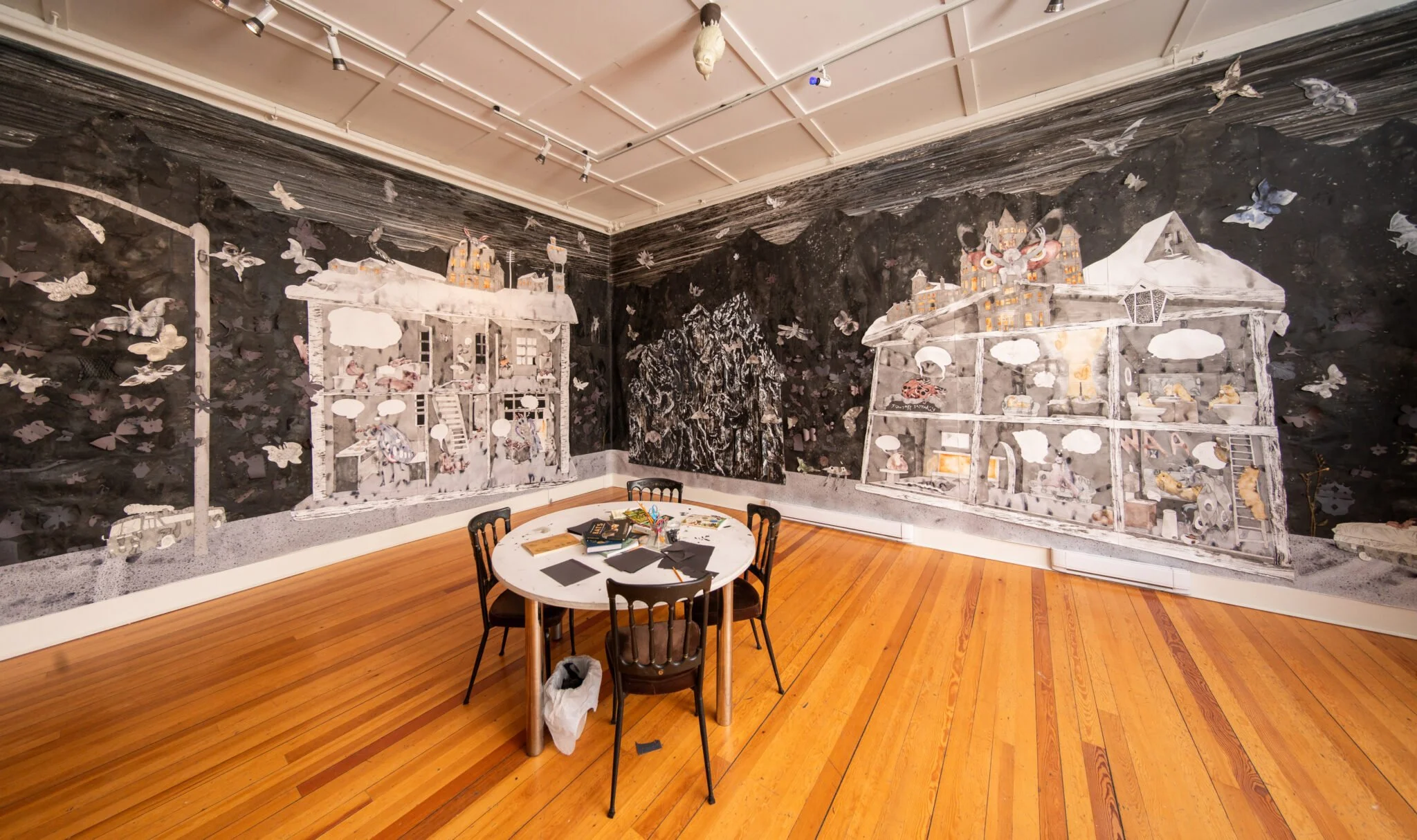
Moth House. Installation view at the Langham Cultural Centre in Kaslo, British Columbia. Ink, graphite, watercolour, Chine-collé, brushes, brooms and collage, on a foundation of vertically aligned rolls of ink-soaked paper, with soundscape by Jesse Lee. 67×14′ 2025
Photo by: Kenton Doupe
We are not prone to care about what we cannot see, or what we do not know exists. Within Moth House, my intention is to make visible the denizens of an unseen world, and to seek empathy with profound alterity. Moth House is a panoramic, drawing installation, born of my concern for the crisis of insect decline, and of my interest in the visitors to the nocturnal pollinator garden which grows outside my studio in Nelson, BC.
Moth House was composed in segments, inside and outside, on too-short walls and on the driveway, during The System and Other Universes residency at the Banff Centre, in a gulf island boat-garage, and on-site in the store-front gallery at the Langham Cultural Centre, in Kaslo (2025).
The primary focal points are based on dollhouses, simultaneously revealing both inside and out. The rooms within are like comic book frames, in which the characters are insects. These invertebrate-beings are meanwhile occupied with the activities of ordinary domestic life, such as cooking, changing diapers, scrolling phones, tending to larva, sleeping and dreaming. Some are engaged in conversation, emitting speech balloons and thought bubbles. Outside, a vast, nighttime scene churns with moths, mountains, and a village of heritage buildings observed in the Kootenays. Scattered throughout are cutout insects and bats, pinned into the walls. This layering is meant as an ecological challenge to perceived separations between inside and outside, the human and nonhuman, the real and imaginary, and between urban, domestic, wilderness and psychological spaces.
The second iteration of Moth House was revised to fit a central wall in the Biosphère Space for Life Museum, under the geodesic dome on Île Sainte-Hélène, in Montréal. For this, added innumerable drawn details, and new layers of background / foreground. The thought and word bubbles, once empty, are now populated with nonverbal thoughts, imagined worlds, nested narratives.
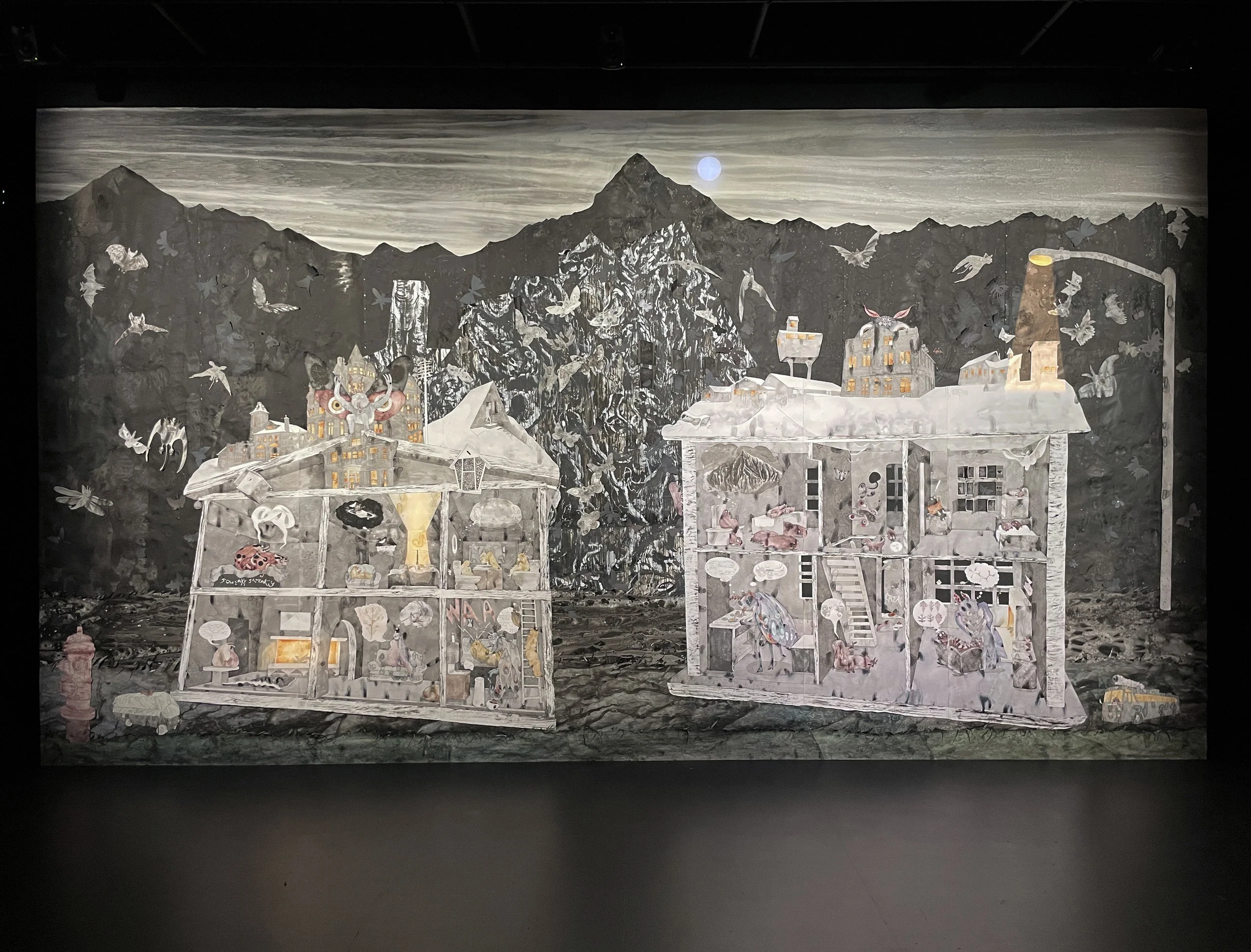
Moth House
Ink, graphite, watercolour, Chine-collé.
Drawn, collaged, bushed & broomed on a rolls of ink-soaked rolls of paper.
27’7” x 15’6”
When walking in the dark, perception depends on the aim and scope of one’s flashlight. Like a net, sheets of paper catch the moths who flitter through the light of consciousness. As a free-associative, nonverbal mode of thinking, drawing is closely related to daydreaming and storytelling. Lines of ink interweave with lines of thought that cast webs around the rooms in one’s mind. These lines sometimes break, sometimes are mended back together, and sometimes cross paths with astonishing visitors.
While the humour in Moth House is intentional, I wish to convey that moths and other insects are interesting, important, overlooked and in danger. According to National Geographic, 40% of insect species, particularly moths and butterflies, are globally in decline. This is due to habitat loss and degradation, climate change, light pollution, invasive species, intensive farming and use of pesticides (neonicotinoids, etc.).
Being nocturnal, moths receive much less attention than butterflies, despite being more biodiverse. Moths and caterpillars are integral to pollination and food webs. We need insects for pollination and food production, waste decomposition and nutrient cycling. Insects are foundational for food webs. Insectivores — especially bats, but also birds, amphibians, reptiles, fish, spiders, and even bears — depend on moths as food sources. An abundance of moths is indicative of healthy ecosystems. Their absence is an omen of collapse.
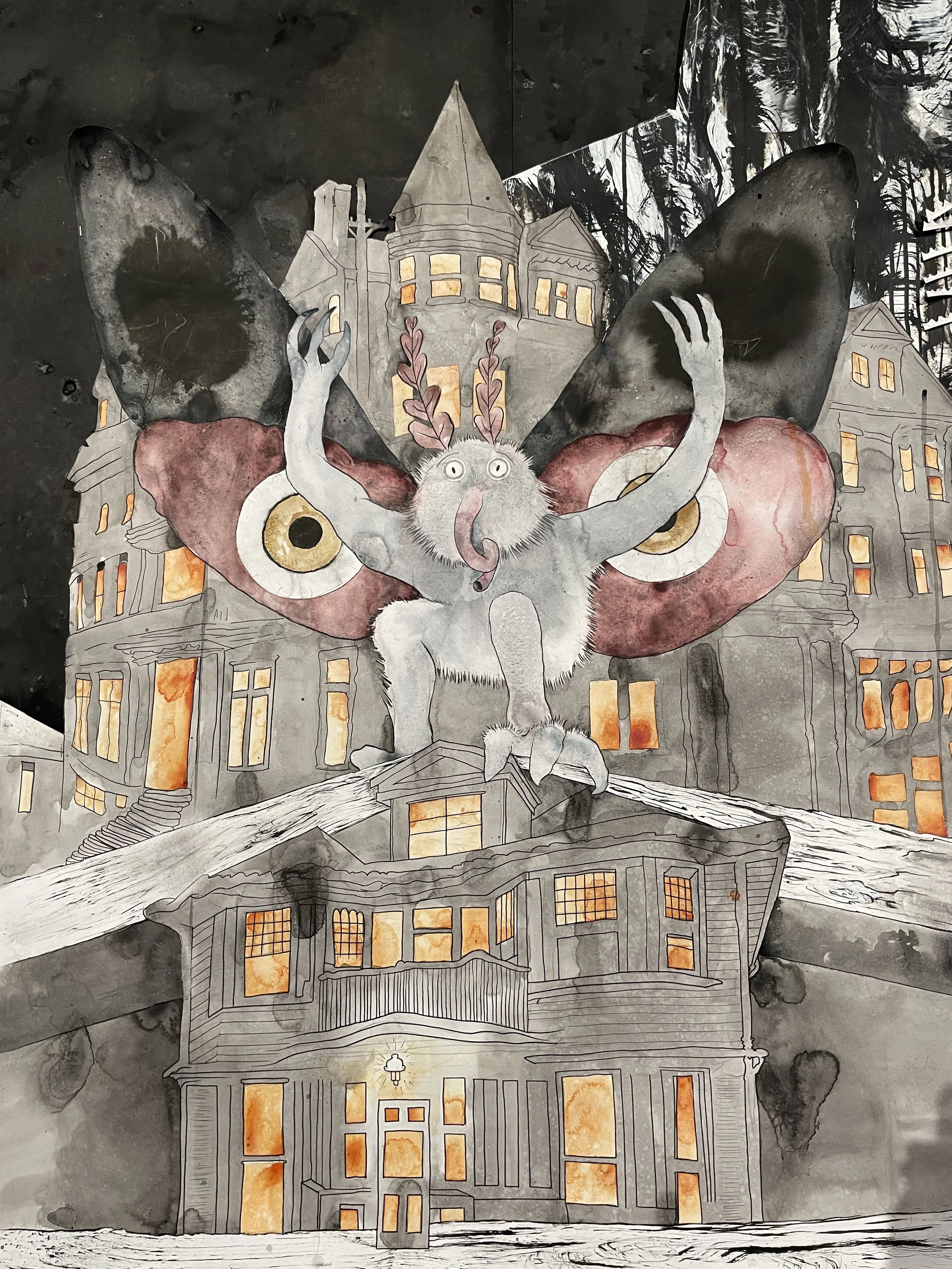
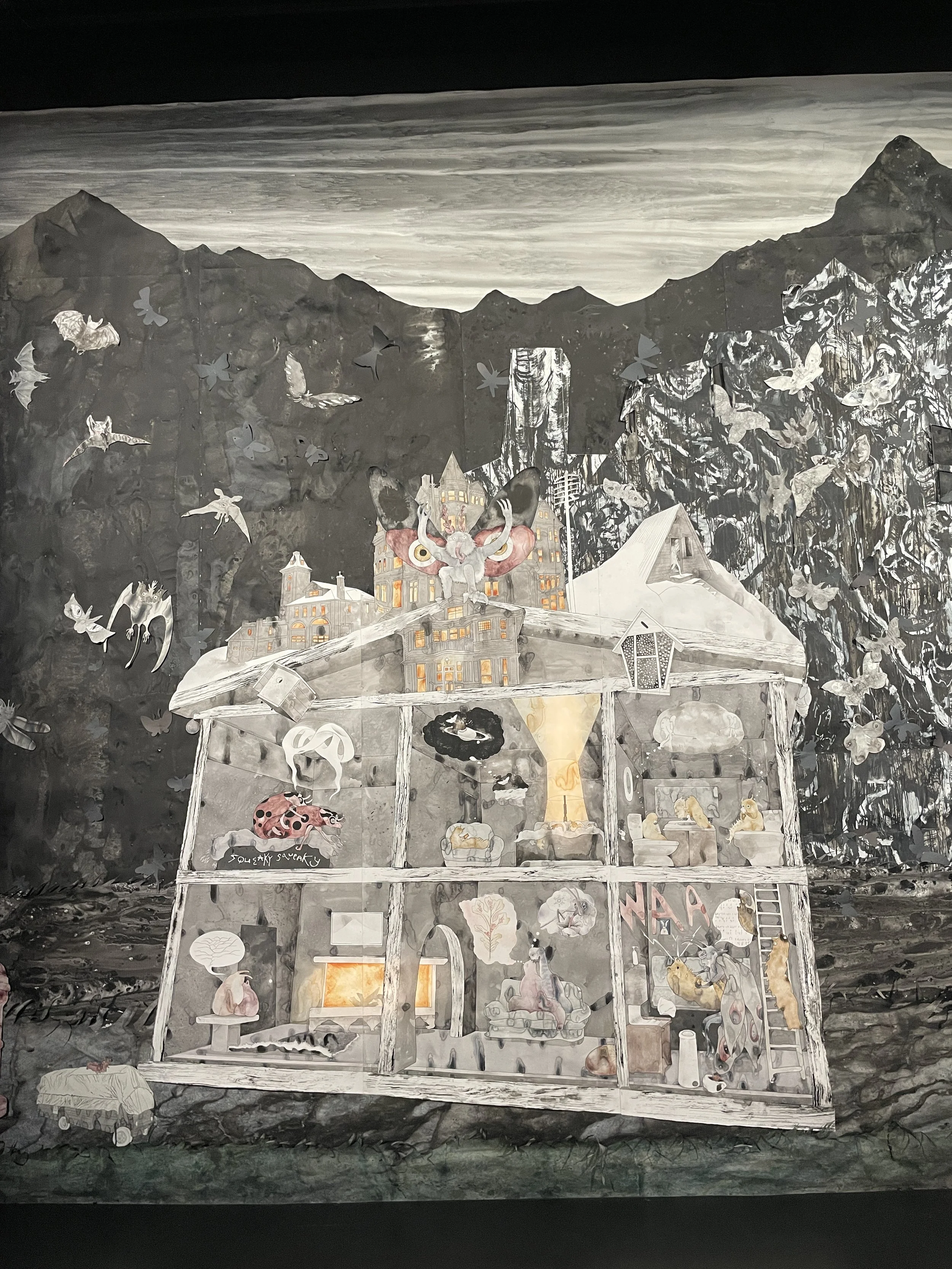
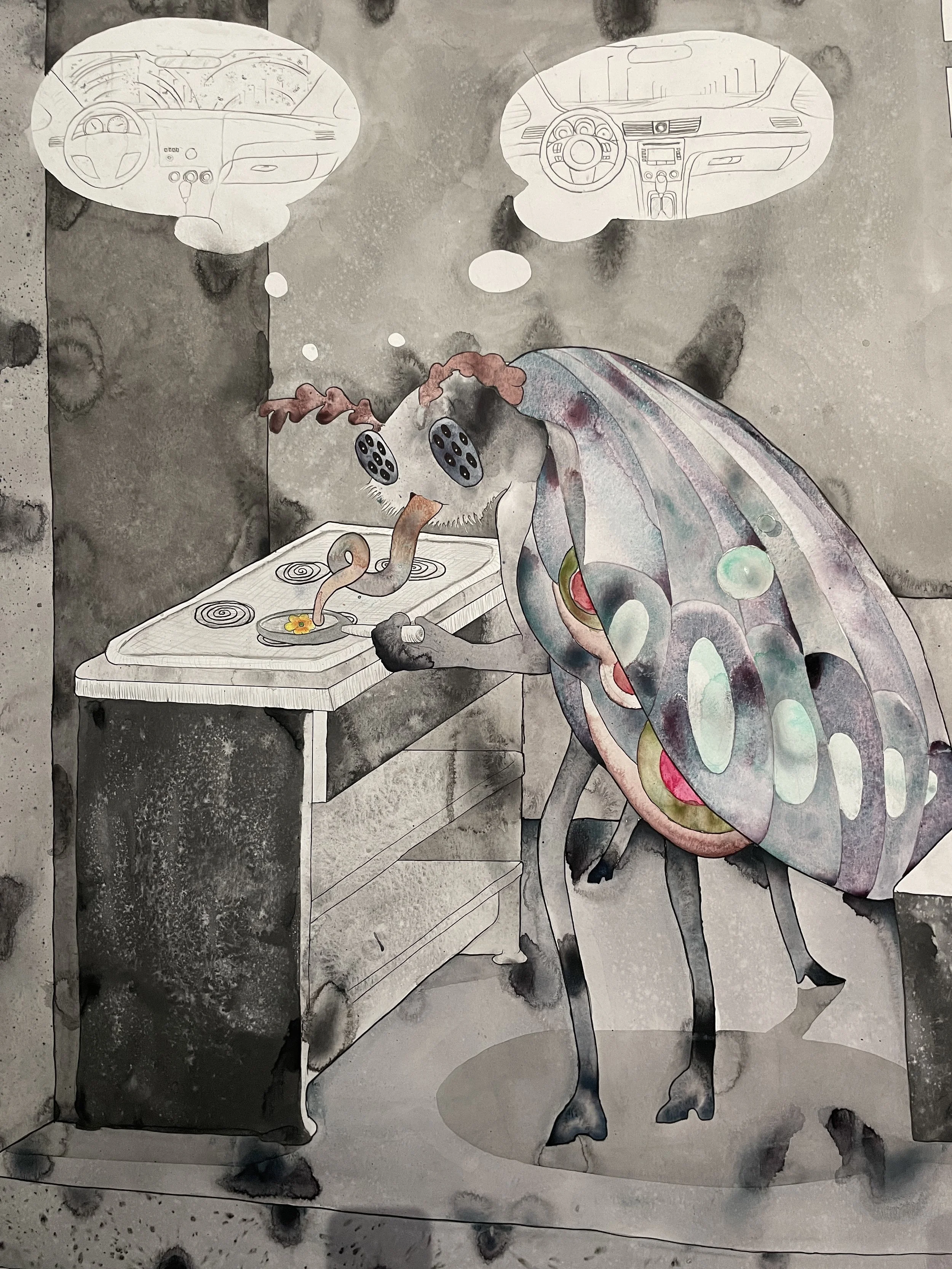
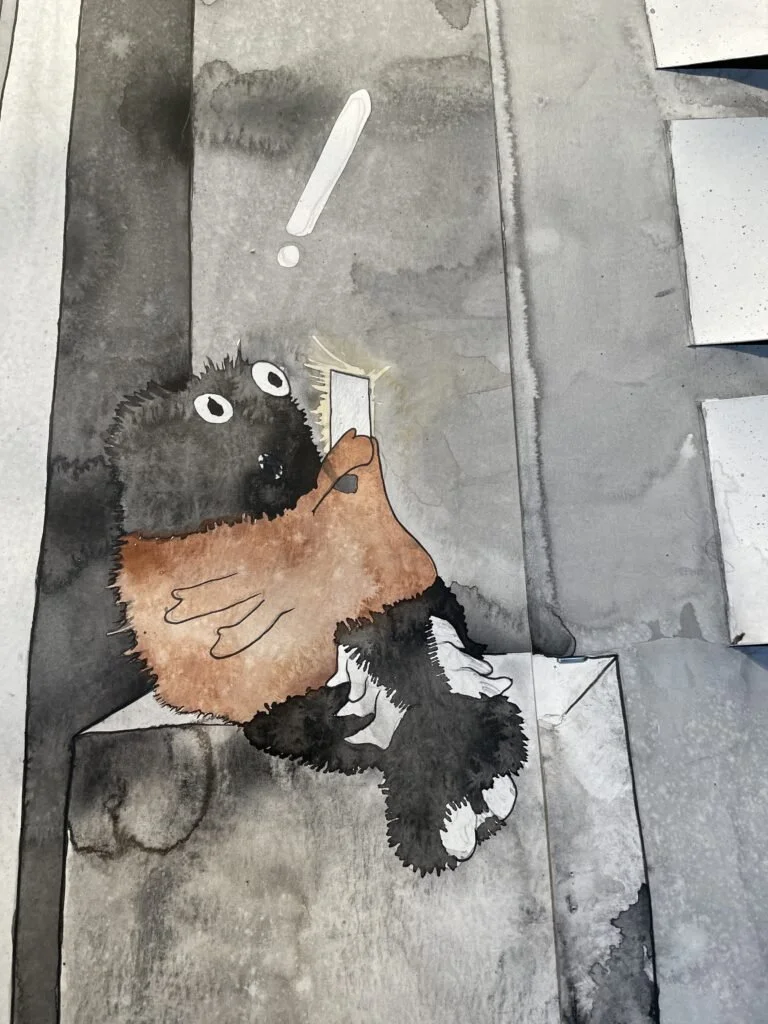
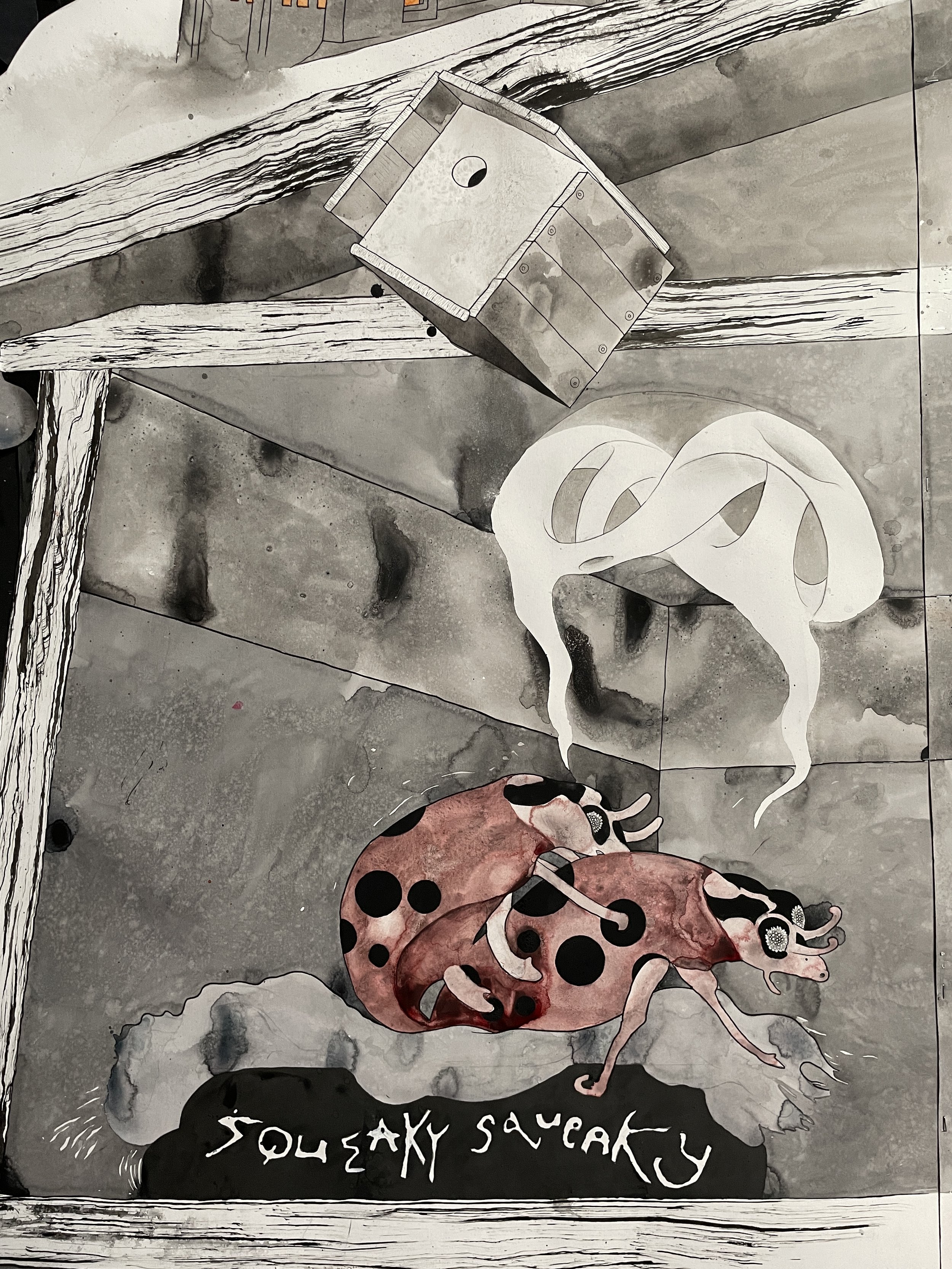
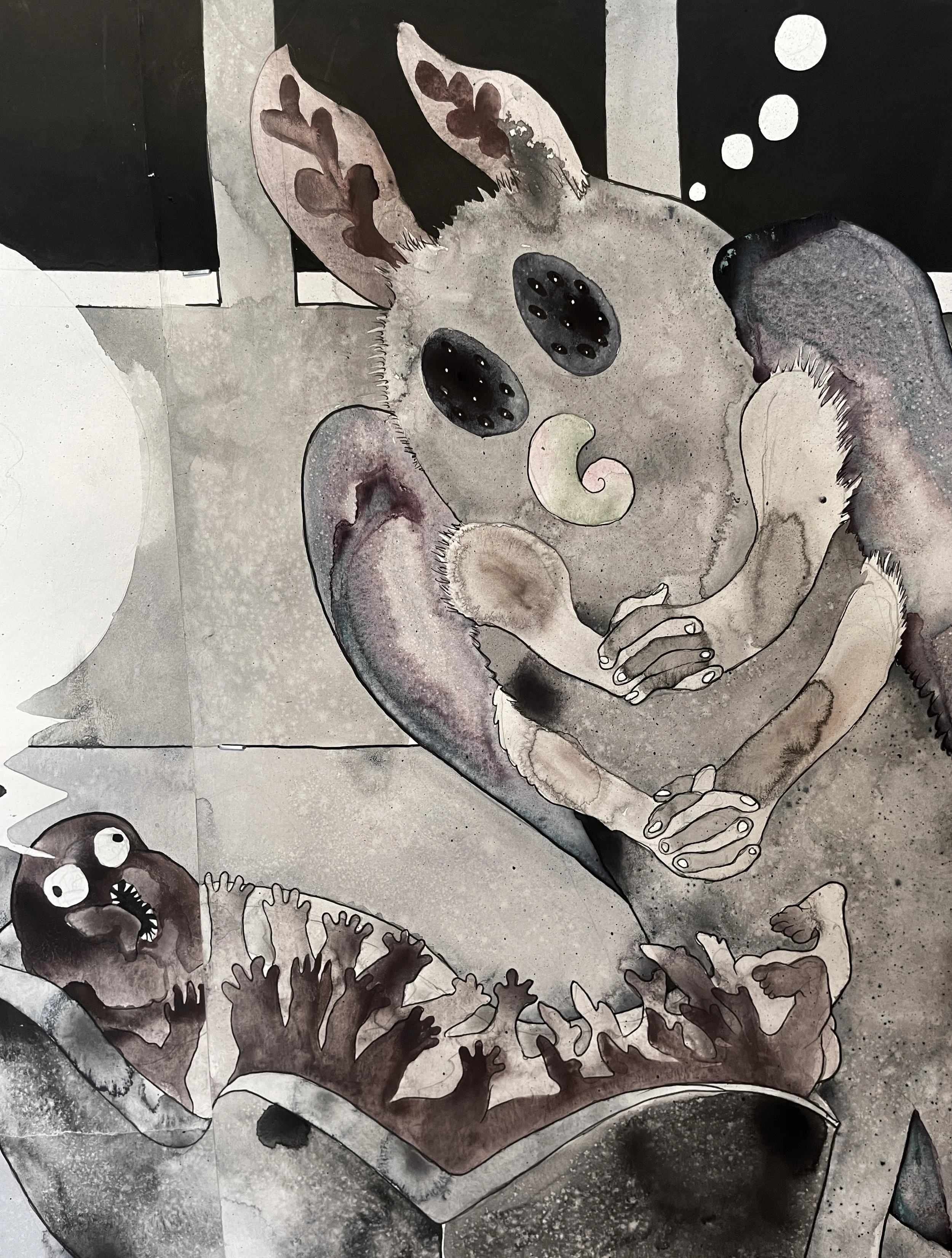
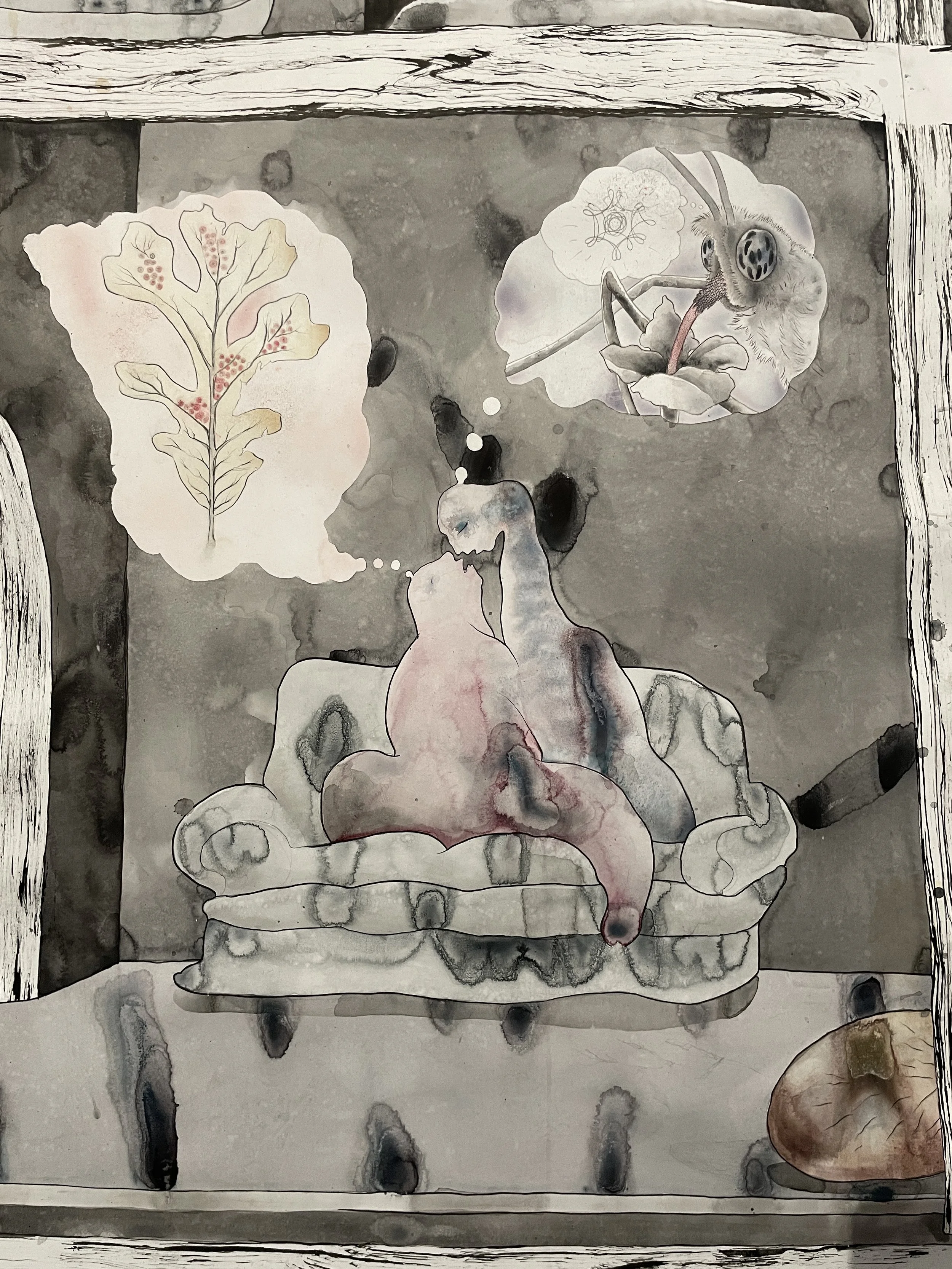
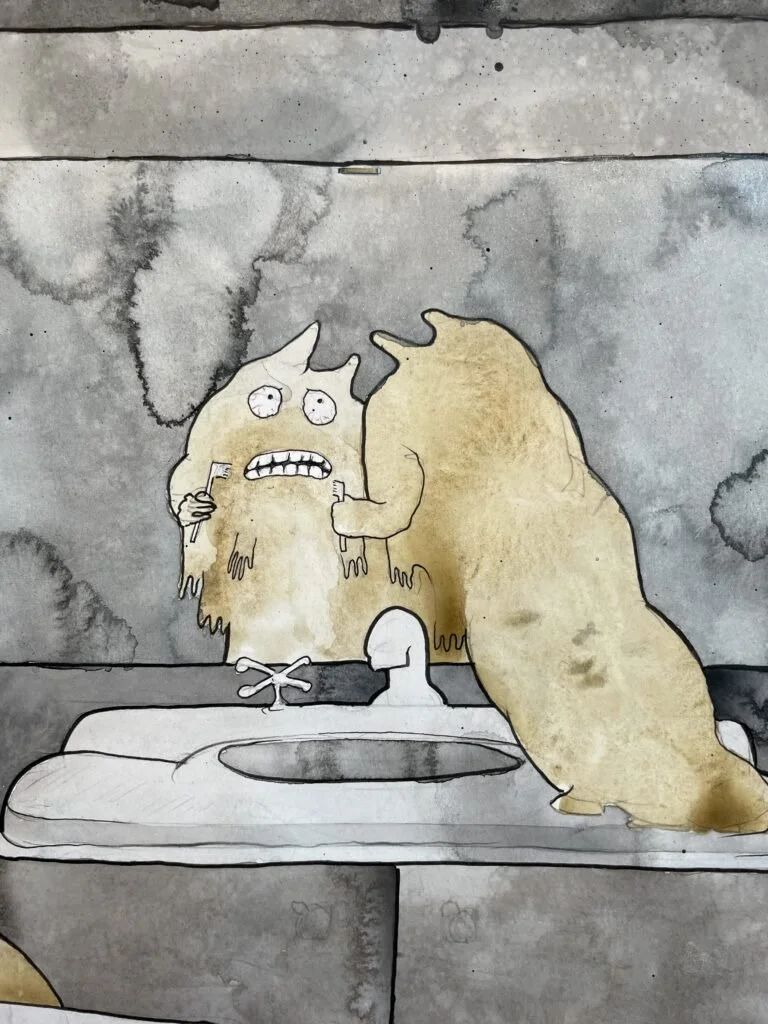
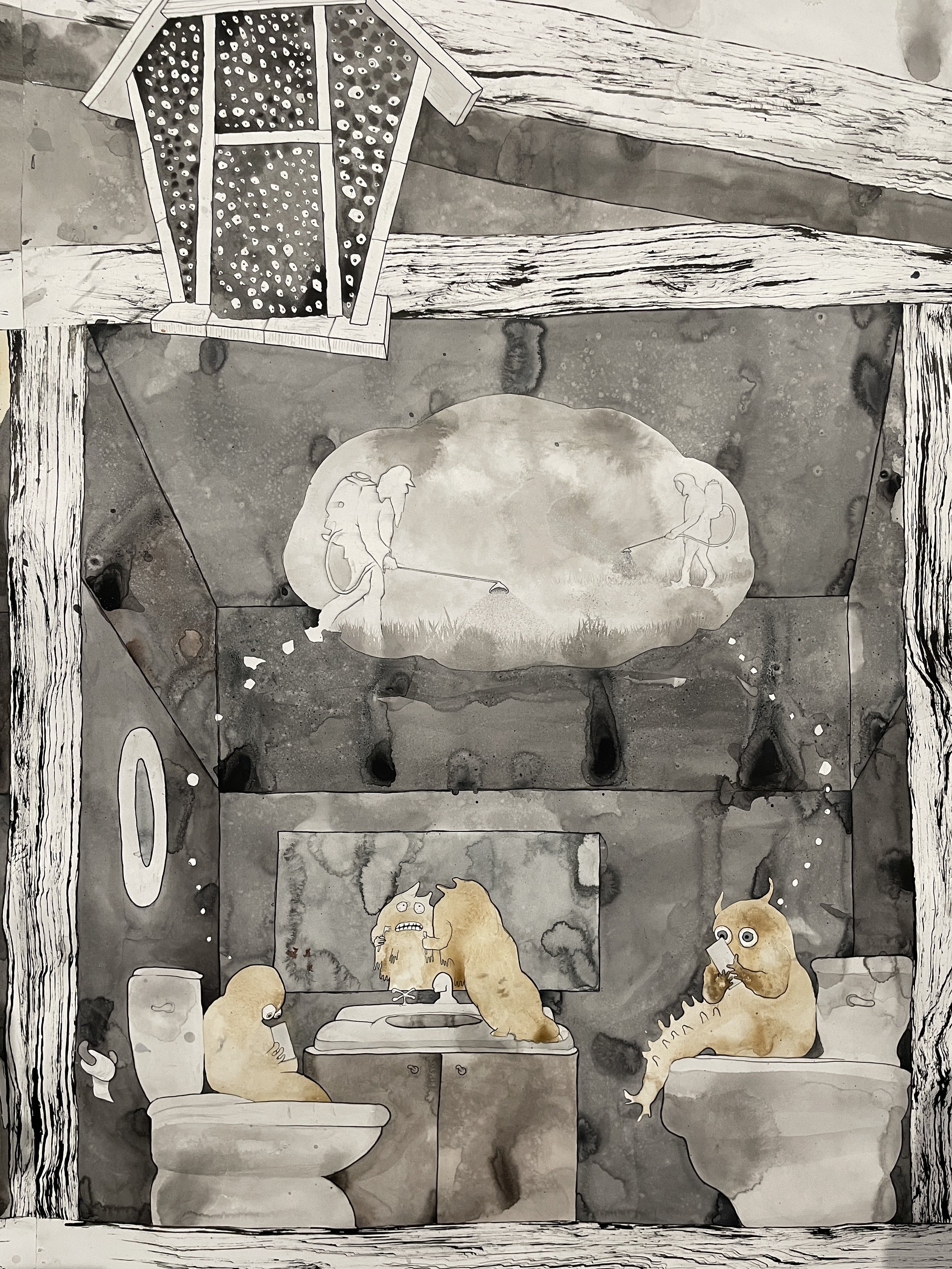
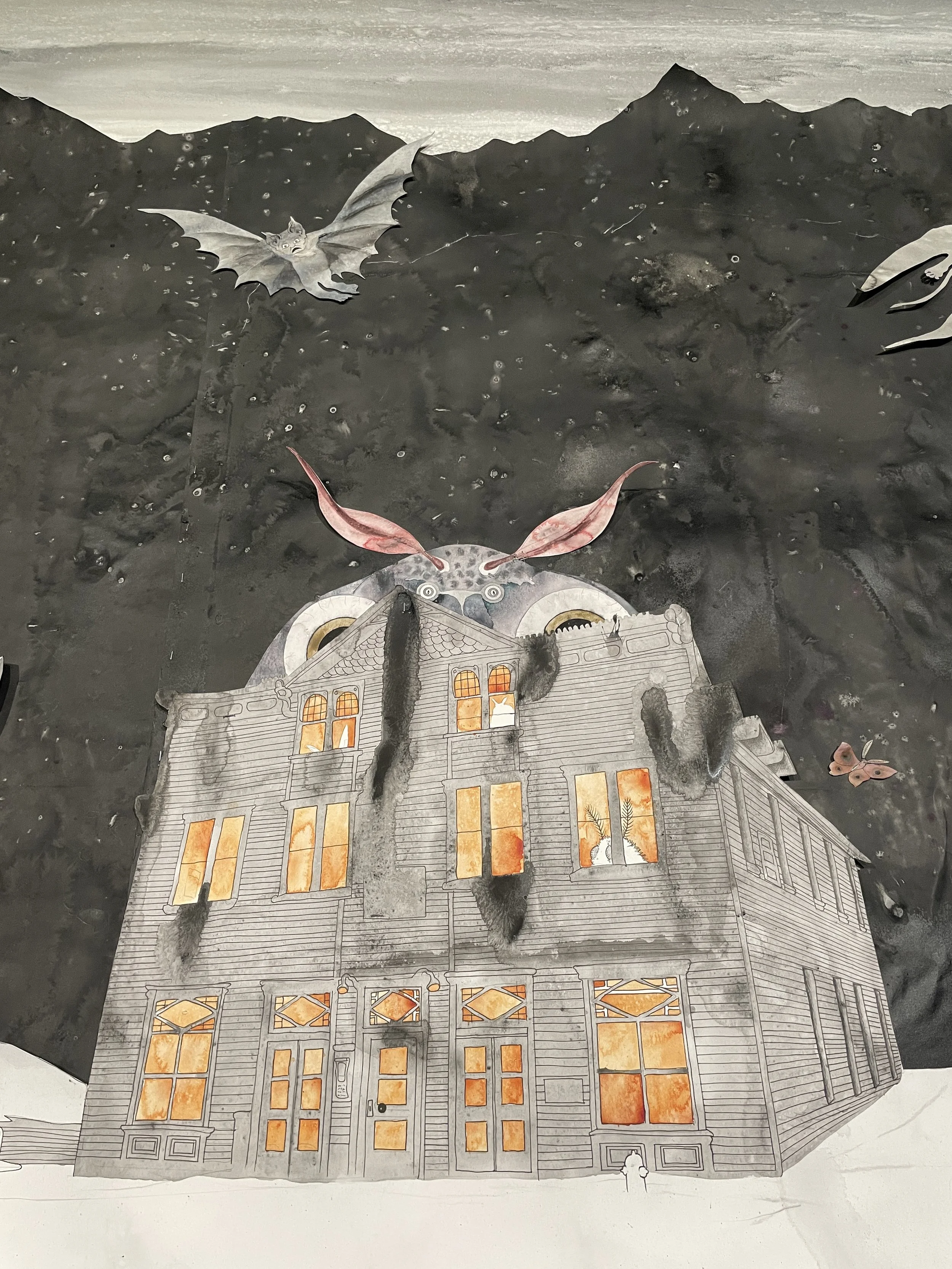
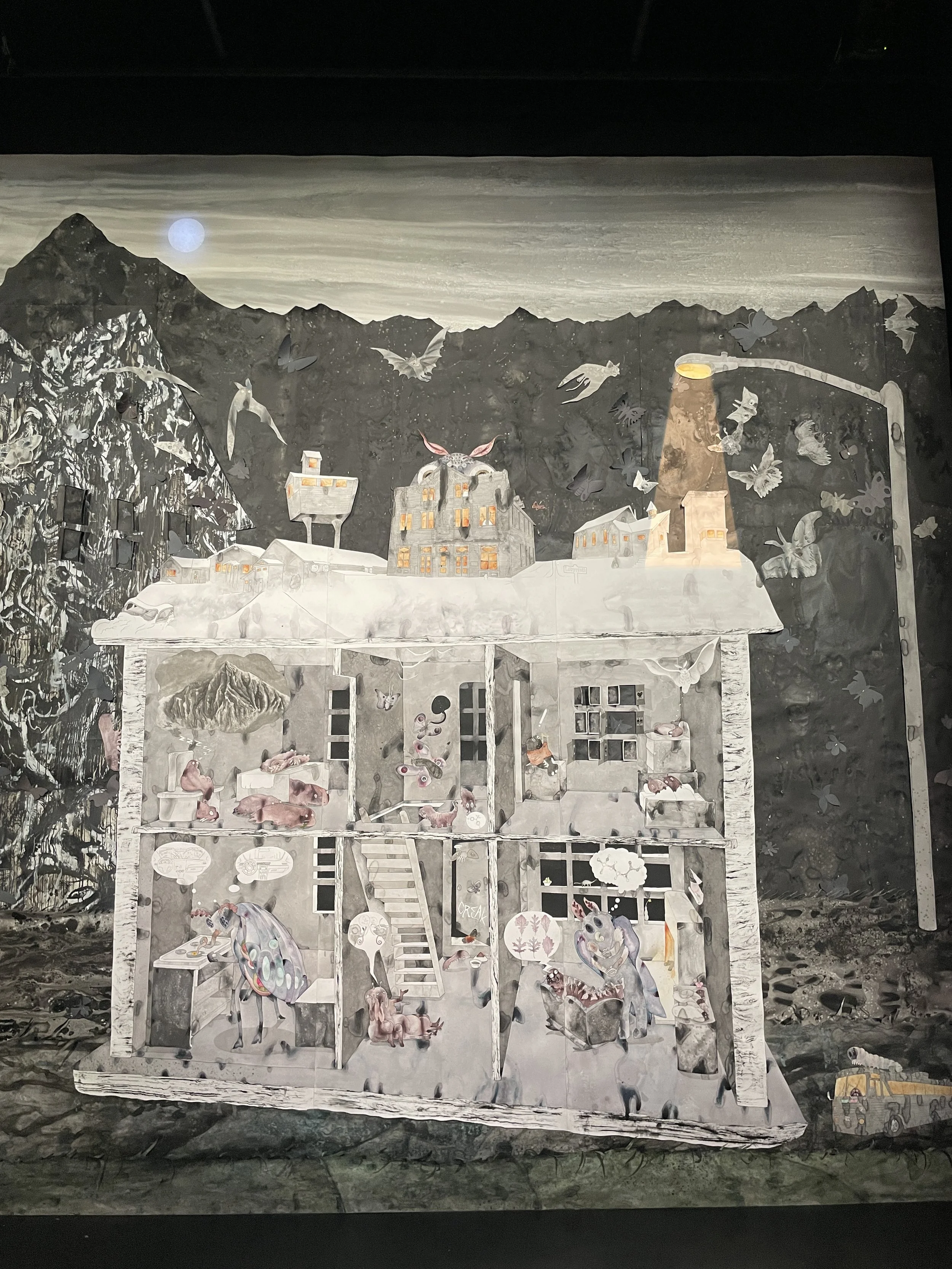
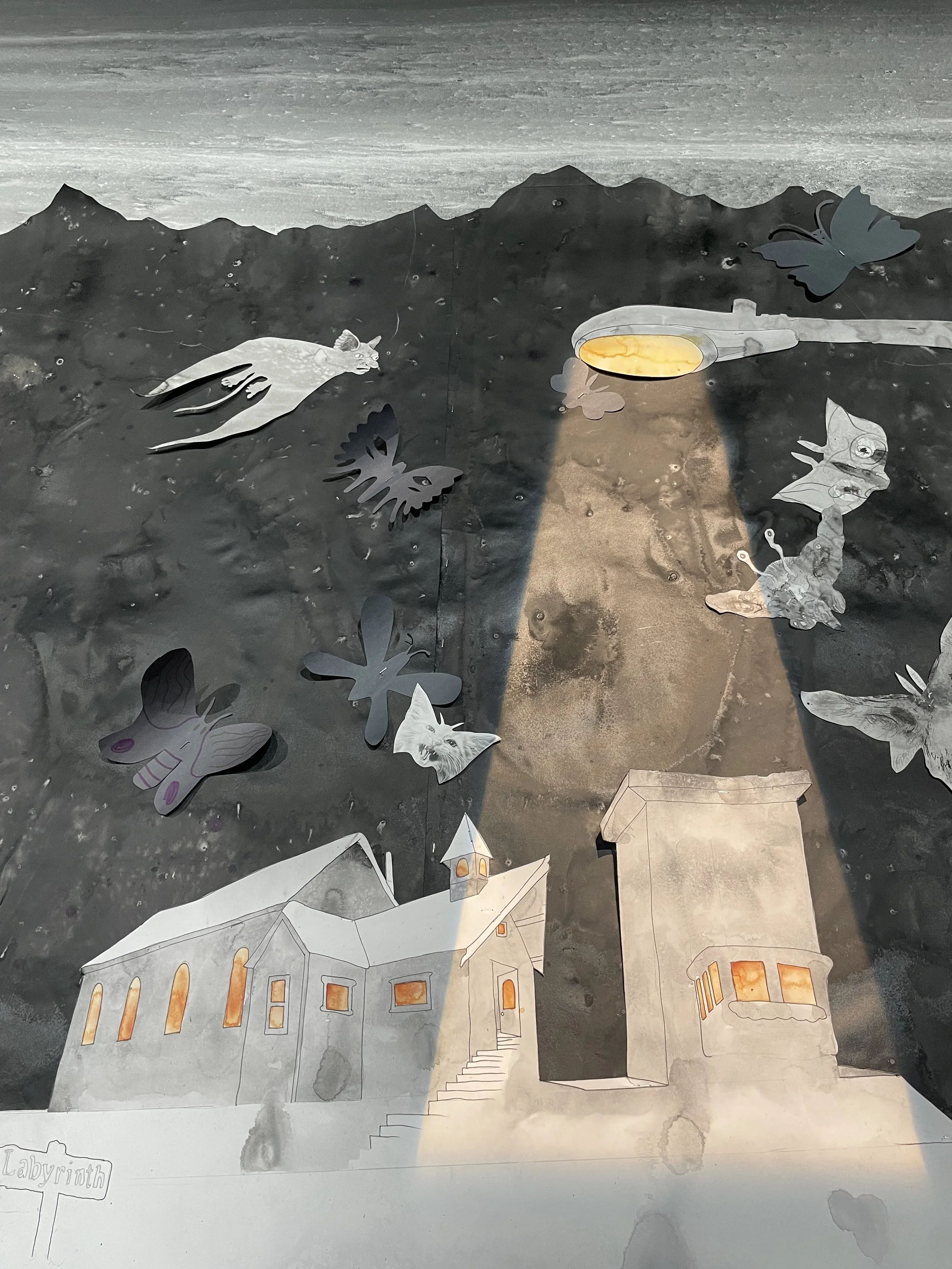
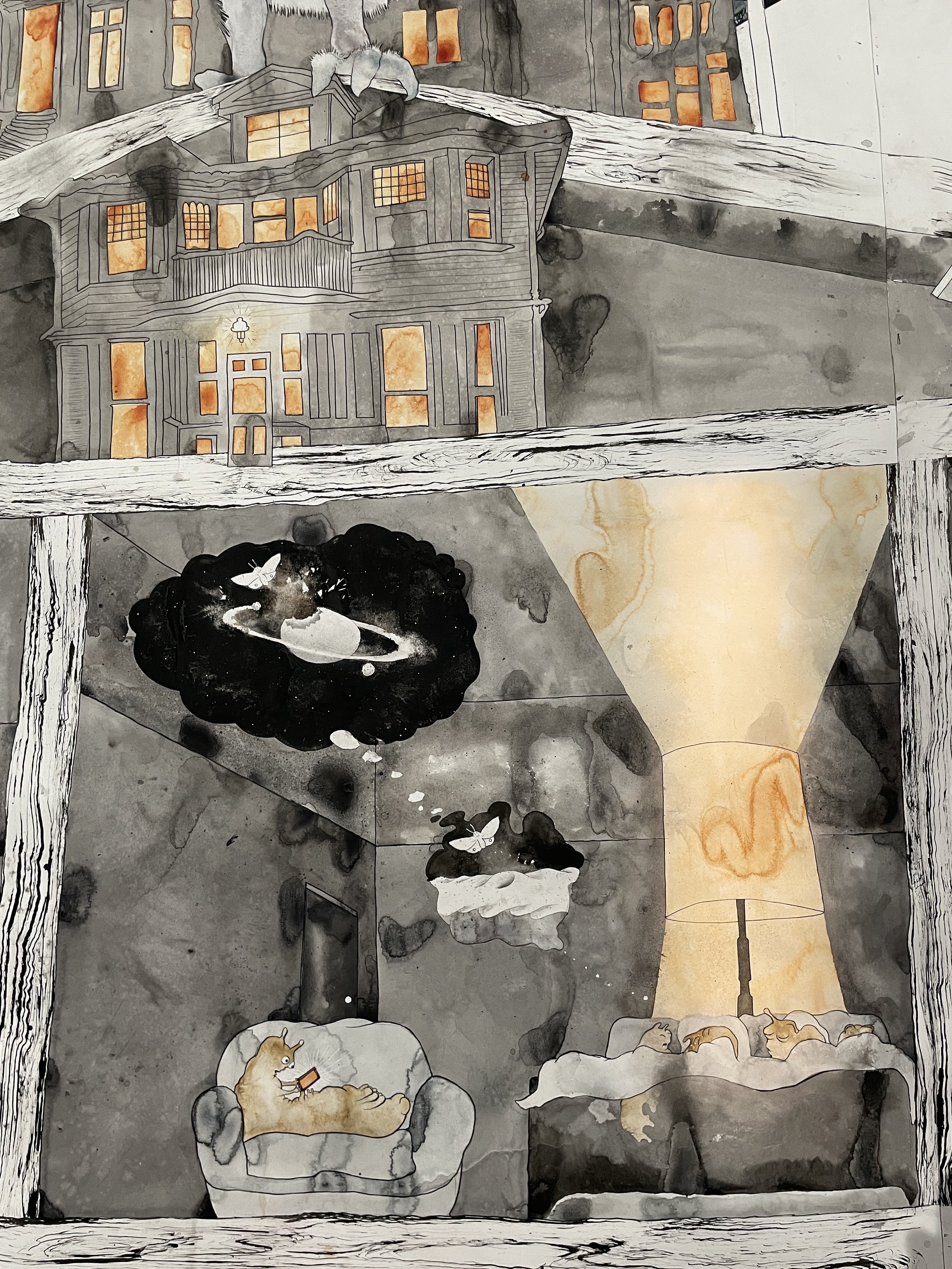
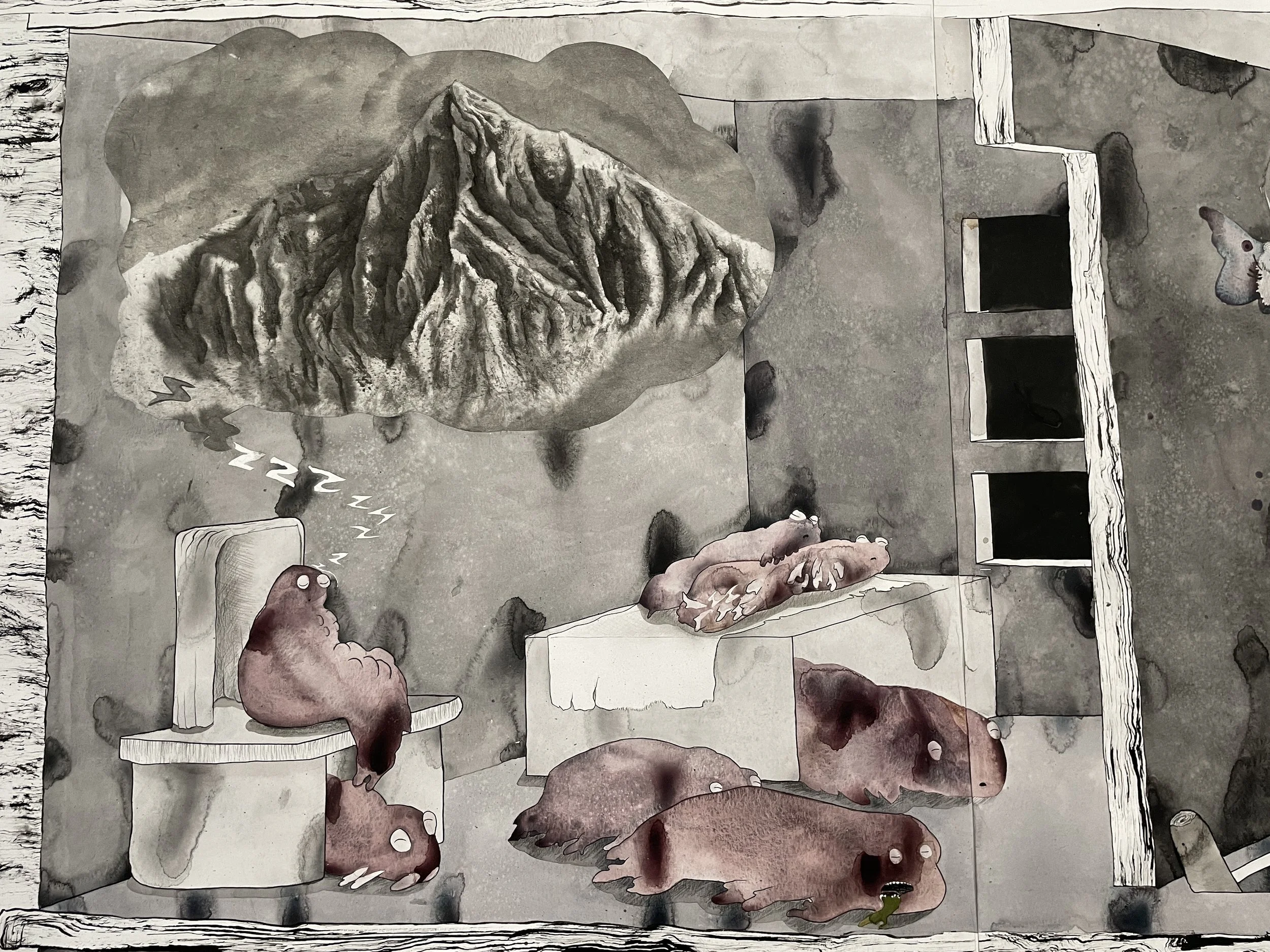
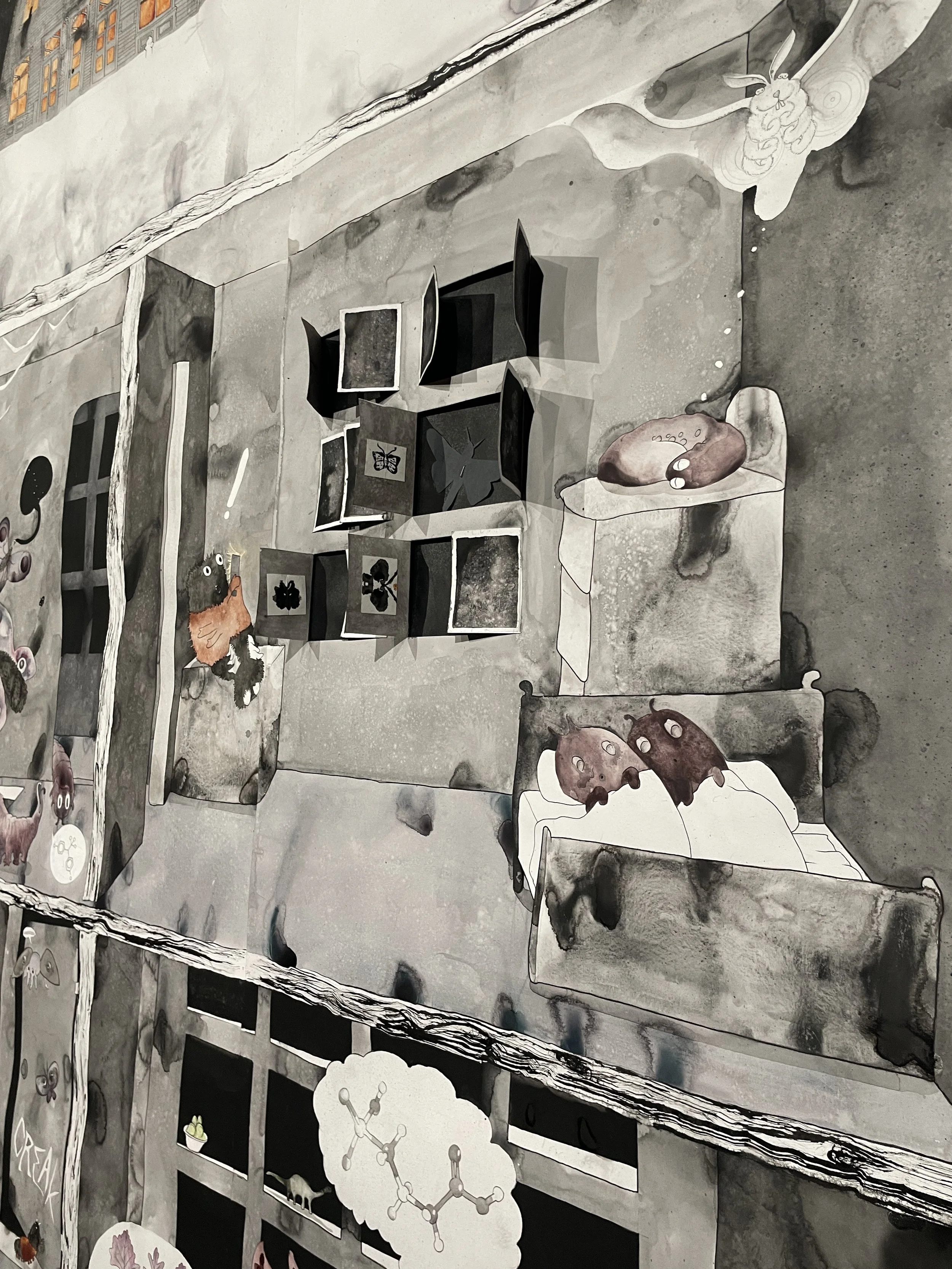
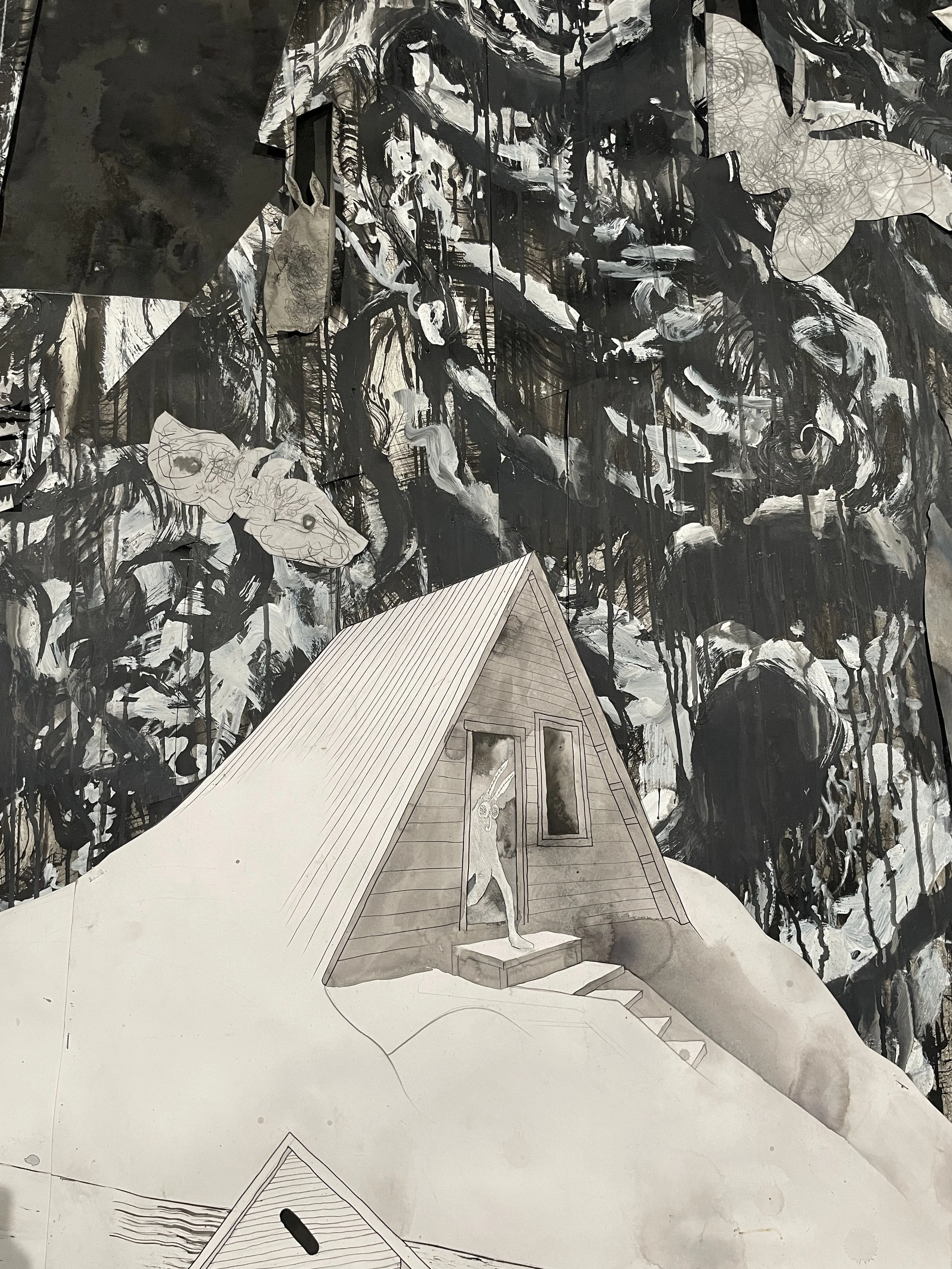
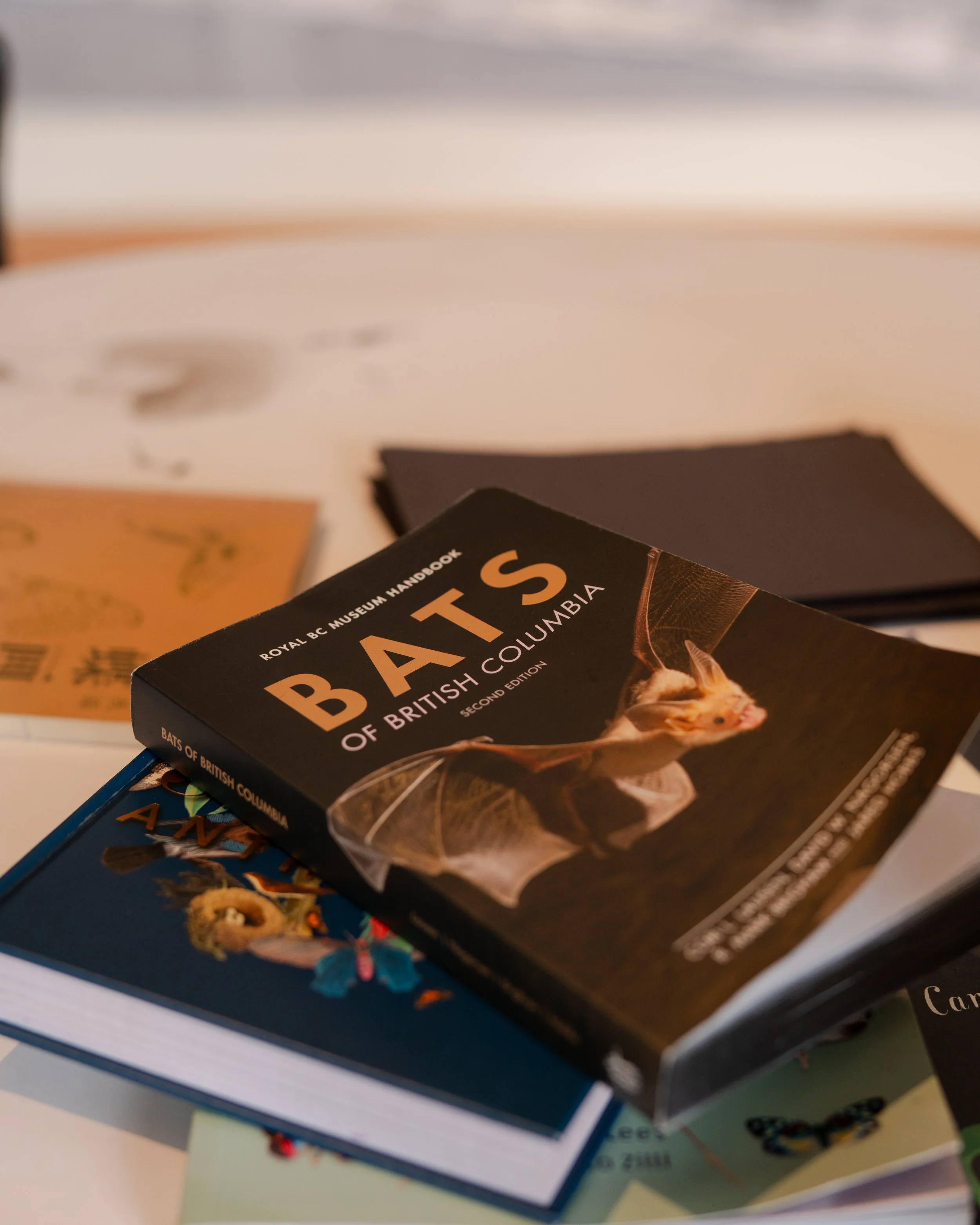
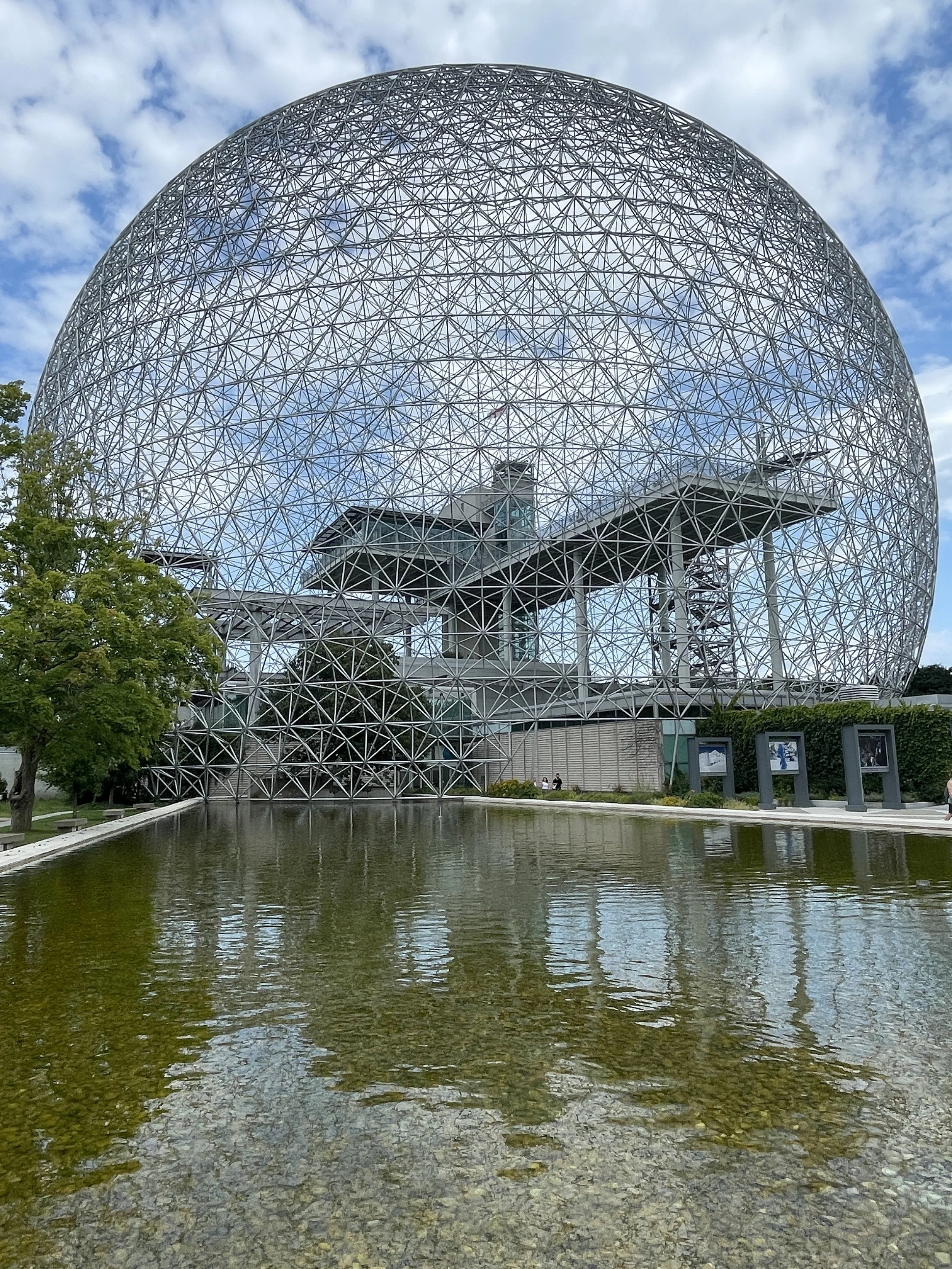
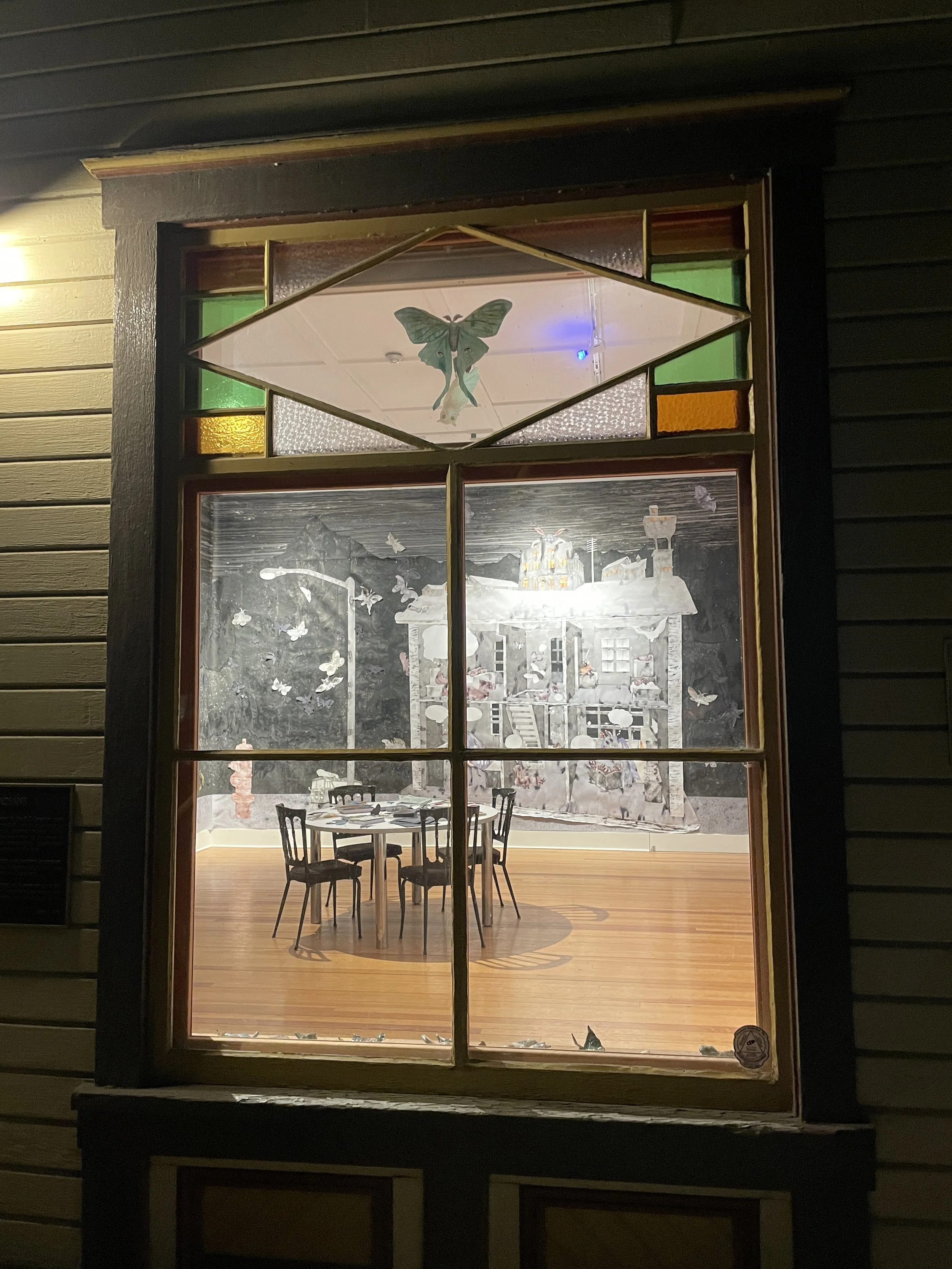
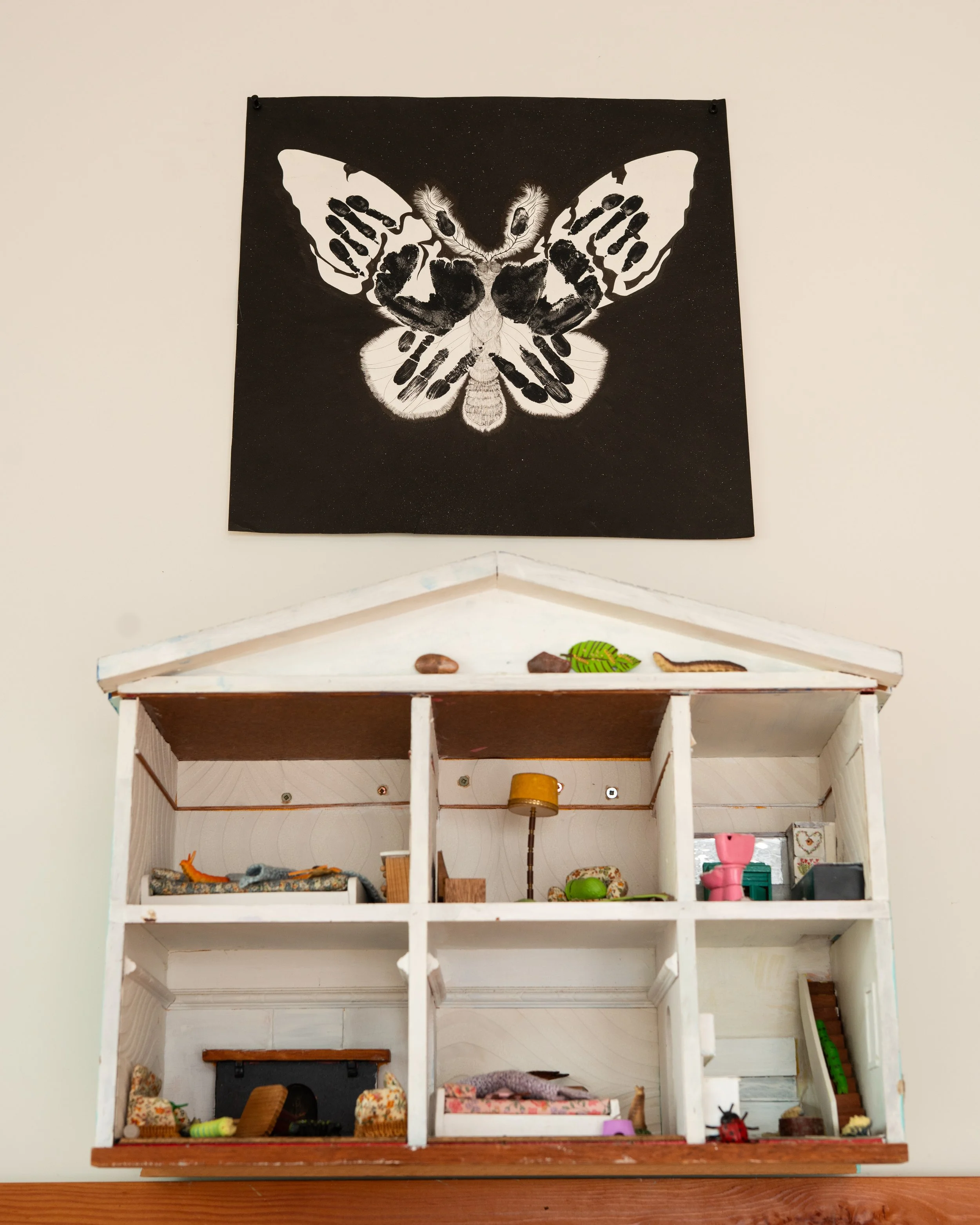
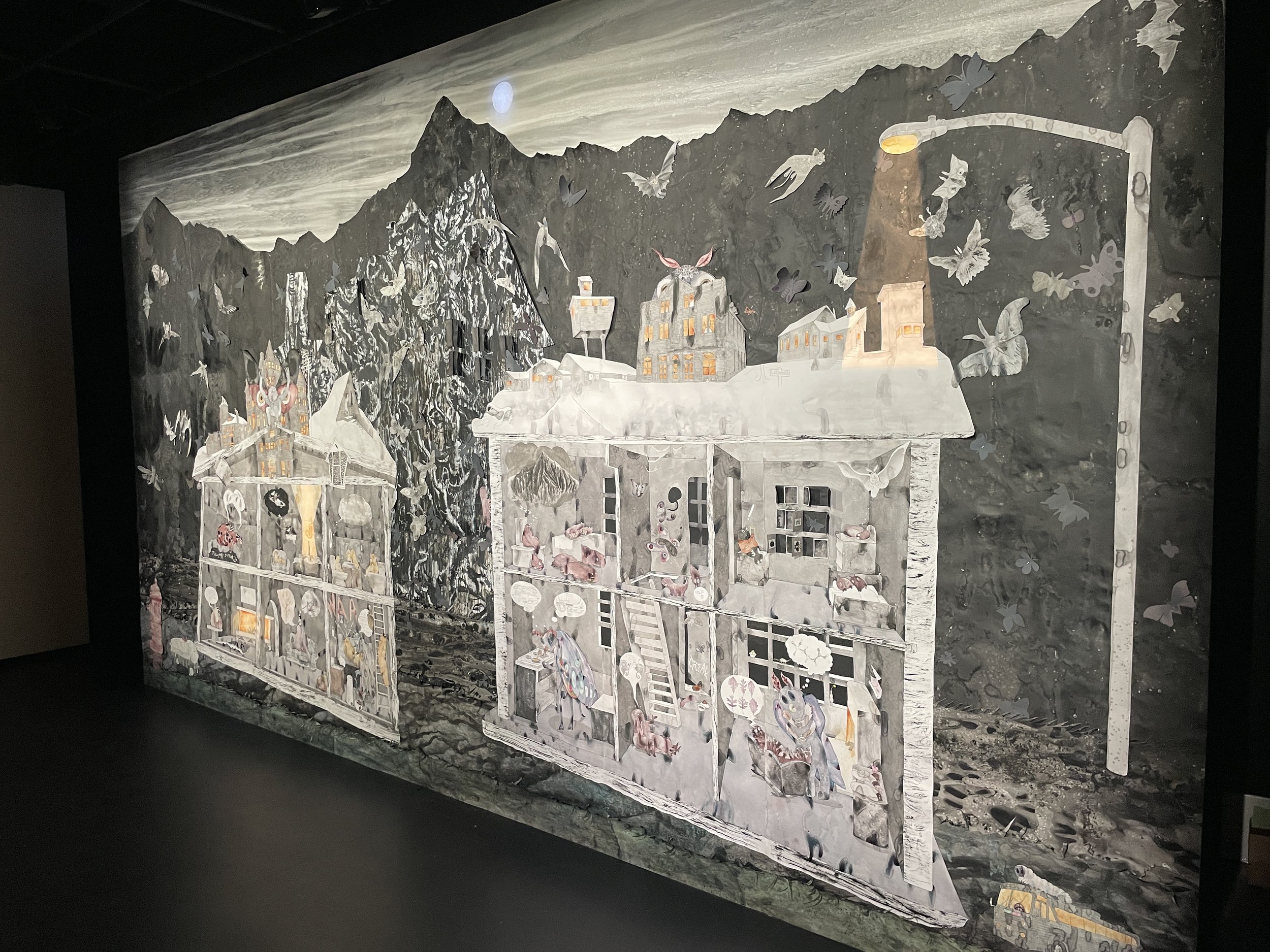
Photo credits: Kenton Doupe